
EN: Abroad clients RO: Clienți din afara României
EN: Where: RO: Unde
EN: Transylvania the heart of Romania
The author likes you to know as much as possible about this Romanian province, because then, you will love it and search for it on your next trips. It was a pinpoint by all dates. The roman emperor Traian, wished its wealth, especially gold, and yet, today lies in Transylvania the biggest gold mine in Europe. Jules Verne, in order to take advantage of a misterious cargo load, placed a Castel in Carpathians and a Count into Făgăraș area to quote two of his famous novels. It couldn’t turn otherwise: In Transylvania was given to grow Dracula vampire, in order to remid of the oldest miths that sounds in the ears of worldwide inhabitants. Transylvania is the heart, is the born of Romanian People. Carpathians surrounds it like fortress walls. From their heights, start exactly as wheel spikes, main rivers of romanian land – Olt and Mureș, Jiu and Someș, Bistrița and Târnavele. Noneoftheless Carpathians weren’t an obstacle for communication between romanians of all three main historical areas. Although, administratively Transylvania linked temporary its existence by one governership or another, romanian people evolved into an amazing unity: every corner of Romania: same spoken language, same customs, same religious predominancy (orthodoxian). Wealth made that Transylvania to be assaulted from every direction by intruders. Among them, the Hungarians. Settled in Panonia fields, they were rejected to expand towards west. Though, they were entitled to grow their attacks from within the Carpathian semi-cercle. Years after years, romanians were more and more conquered and forced to serve into their own country, which was not recognizable as stand-alone nation living from centuries in this lands. The land’s history knew great shakeovers of the centuries. After Hungary fell under Turkish Empire in 1526, Transylvania receives a statut of „voievodat-ancient county” being governed some while by born-here leaders. In 1691, the Transylvania county receives austrian leadearship, by Maria Tereza’s time. In 1765, receives the title of „Mare Principat – Great County”. Finally, in 1867, once the austro-hungarian empire settles, Hungary dominates the harshest whole Transylvanian area. As the First World War comes, „the land beyonf the trees – țara de dincolo de păduri”, resets itself added by once and for good to mother-land Romania. There was in ancienty a stellar moment like this one, although for a brief period of time, in 1600, when Mihai Viteazu, Bucharest leader unites under his blade the three Romanian lands: Țara Românească, Transylvania and Moldova. 1st of December 1918, when Transylvania finally reunites with Romania, becomes after 1990 Național Celebration Day.
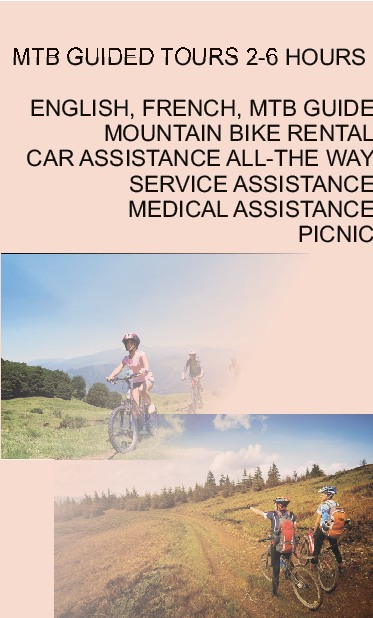
A traveller by bike, hike or by car arrived in Transylvania will be astonished by this amazing univers blended with beauty and complexity. Someone can find impresive ancient culture from daco-roman empire: Sarmizegetusa Regia and Apulum fortresses, Blidaru, Costești, Potaissa, Porolissum or Cibinum ruins. This are outstanding museums that tell their story beyond centuries. In Transylvania lies mysterious castles like Bran or Hunedoara. Among other ancient buildings, there lies the fortified german saxons churches, some of them included into UNESCO world heritage. Thus, the traveller is invited to dive deep into an aventure full of drama, completed by its pitoresque, dramatique and learning purposes landscape. The villages univers – some of them lies on top of the mountains, the celebration’s charm puts you in an astonishing atmosphere that binds the archaic with candice and life joy. Transylvania has burgs (medium small German Saxon cities) – Sibiu is one of the European cultural capital of the year 2007 – and Transylvania has balneo resorts, rivers for nautical sports and for fishing, famous wineyards. In Transylvania, ethnics living along each other is an anthic experience that relives every single day. Thus, it shows itself to tourists în many delightful ways: traditional costumes and shows, houses with a specific architectonic, gastronomie and music, weddings and baptems. A symbol of the Transylvanian land is the cross. Churches, no matter what they belong to, orthodoxian catholic or greco-catholic, evanghelist, unitarian or new age – are buildings that can’t be unoticed by a traveller…
 Efficient-E
Leave a comment